



ABOUT THE BOOK
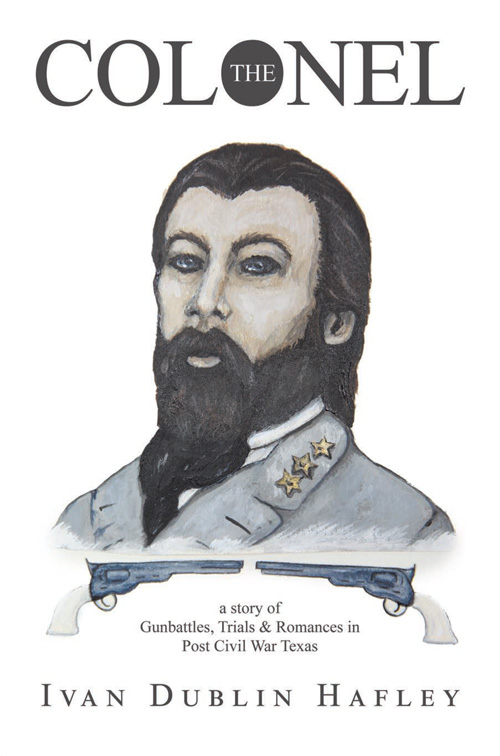
The Colonel
Major Wesley St. Clair sat astride his grey gelding horse, Warrior, alongside his troop’s First Sergeant and bugler, watching the dirt roadway that stretched from north to south along the center of a narrow open, grassy area surrounded by dense woods on either side. His troopers – the cavalrymen of Troop D, Fourth Mississippi Volunteer Cavalry Regiment – were arrayed in a line on either side of him, and, like him, were well-hidden within the woods. They were waiting to see if the Union Army had sent for reinforcements for the battle that was currently raging between Union and Confederate forces in the little Mississippi town of Brice’s Cross Roads, a mile or so south of them. The date was June 10, 1864, and the war between the northern states of the United States and the southern states of the Confederate States had been underway for more than three years. Sadly, Major St. Clair thought as he waited, the war was not going well for the South. Here, in the west, they had lost the battle of Vicksburg, Mississippi, almost a year before – a loss which had effectively severed the Confederate States of Arkansas, Louisiana, and Texas – the states west of the Mississippi River – from the rest of the Confederacy. And, he understood, the battles in the east where Generals Lee and Johnson were battling the Union forces of Generals Grant – the victor at Vicksburg and now the commanding general of all Union forces – and Sherman were not going well.
Even more sadly, Major St. Clair thought, his personal fortunes had suffered terribly as well. In the preceding year his wife and young son had both died of cholera, and his father had died of a heart attack. Now, it was just his mother living on their family plantation a few miles north of Greenwood, Mississippi, and he understood she was doing poorly, along with the plantation’s slaves who, according to the Union, had been freed.

The Author
A retired Texas trial lawyer who lives in McKinney, Texas, with his cat, “Smudge,” where he reads, writes, and plays chess with his computer.
Buy the Book
Gone with the Wind meets Lonesome Dove in post-Civil War Texas in this exciting book.